
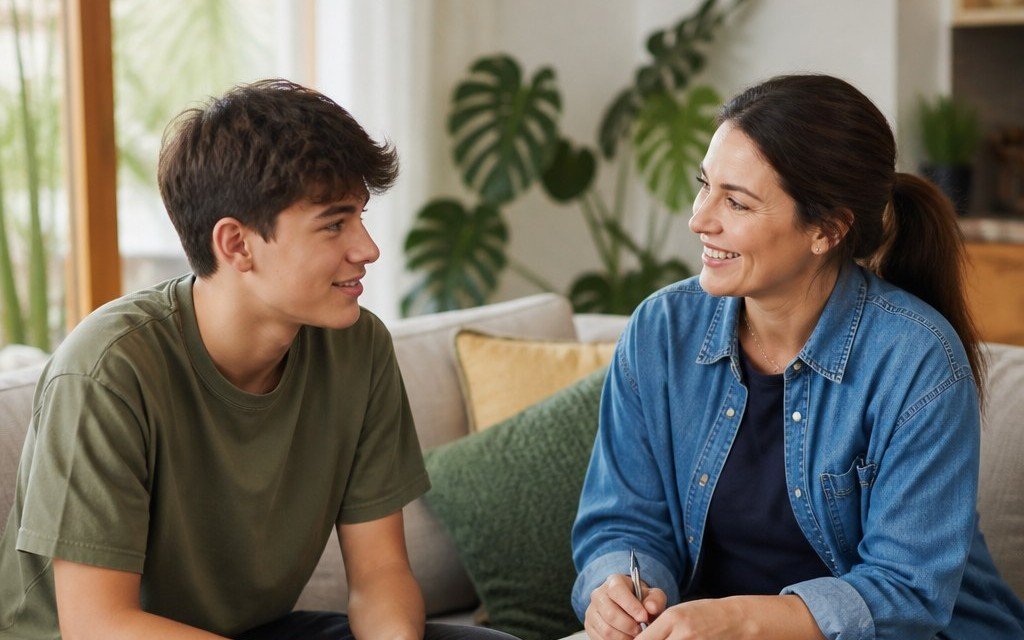
For a child or young person who can no longer safely live at home, the word “placement” can sound clinical and cold. At Eden Support Services, we see it differently: every placement is a chance to give a young person stability, safety and genuine care while they navigate one of the hardest chapters of their life. Here’s what therapeutic residential care actually involves, and who it’s for.
What is residential care, and how is it different from foster care?
Residential care is a form of out-of-home care where children and young people live in a staffed home rather than with a foster or kinship family. It’s generally used for young people with more complex needs — often those who have experienced significant trauma, have higher behavioural or psychosocial support needs, or for whom a foster placement hasn’t been suitable or available.
Unlike a foster placement, a residential home is staffed by rostered, trained residential care and youth workers rather than a single family, which allows for consistent, round-the-clock coverage and a team of professionals sharing responsibility for each young person’s care and development.
What does “trauma-informed care” actually mean in practice?
It’s a phrase used often, but it has real substance behind it. Trauma-informed practice means recognising that a young person’s behaviour — whether that’s withdrawal, aggression, or difficulty trusting adults — usually makes sense in the context of what they’ve been through. Rather than responding to behaviour in isolation, trauma-informed staff are trained to respond in ways that build safety and trust first, understanding that consistency, predictability and genuine relationship are what actually help a young person heal and stabilise over time.
This looks like calm, consistent routines; staff who are trained in de-escalation rather than punitive response; and care plans that are genuinely individualised rather than generic.
Who is residential care for?
Residential care placements are typically arranged through Child Safety for children and young people who cannot live with family or in a foster arrangement, including those with disability or complex support needs who require a higher level of consistent care than many mainstream arrangements can provide. Referrals usually come through a caseworker or the relevant Child Safety Service Centre.
What does a genuinely child-safe home look like?
Every member of a residential care team should be screened (Blue Card and NDIS Worker Screening, at minimum), trained in child-safe practice, and working within a home that’s guided by the National Principles for Child Safe Organisations. Beyond the paperwork, it should feel like a home — a stable routine, consistent faces, and a genuine focus on a young person’s wellbeing, education and connection to culture and community, not just supervision.
How Eden Support Services supports this work
Eden Support Services provides therapeutic residential care for children and young people across Queensland, working in partnership with Child Safety, families, schools and allied health professionals on each young person’s development, wellbeing and sense of belonging. Every placement is guided by an individualised care and cultural support plan, delivered by screened, trained staff who understand that this work is about relationship, consistency and genuine care — not just a roof over someone’s head.
If you’re a caseworker, support coordinator, or family member wanting to discuss a referral or placement enquiry, learn more about our Residential Care service or get in touch with our team directly.